
🔹 Introduction
How to be a successful trader isn’t just about picking the right stocks or timing the market. It’s a skill that combines market knowledge, emotional discipline, strategy, and continuous improvement. Whether you’re aiming to become a full-time trader or just want to supplement your income, this guide lays out a clear, beginner-friendly path to trading success.
—
1🔹 Chapter 1: Learn the Basics First
Before risking any real money, master the foundation:
- What is Trading vs. Investing?
Understand the key differences in approach, risk, and time horizon. - Types of Trading
- Intraday Trading: Buy and sell on the same day
- Swing Trading: Hold for a few days to weeks
- Positional Trading: Hold for weeks to months
- Options and Futures Trading: Derivative trading with leverage
- Must-Know Market Terms
- Support & Resistance
- Stop Loss
- Volume
- Risk-Reward Ratio
- Introduction to Technical Analysis
- Basic candlestick patterns (Doji, Hammer, Engulfing, etc.)
- How to read charts (line, bar, and candlestick)
- Trend lines and moving averages
✅ Tip: Use free resources like Zerodha Varsity or TradingView to practice and learn these concepts.
rodha Varsity, YouTube, or BullNivesh.com to build your foundation.
—
🔹 Chapter 2: Choose Your Trading Style
One of the most important steps in learning how to be a successful trader is identifying the trading style that matches your risk appetite, capital, personality, and available time. Not every strategy fits everyone — so choose wisely.
Here’s a quick comparison to help you decide:
| Type | Timeframe | Description |
|---|---|---|
| Intraday | Same day | Buy and sell within minutes or hours – high speed, high risk, no overnight holding. |
| Swing Trading | 2–15 days | Aim to capture short-term price movements and trends. |
| Positional | Weeks to months | Ideal for those who can hold trades longer and ride broader market trends. |
| Options Buyer/Seller | Short-term / Hedged | Trade in derivatives with limited risk (buyer) or strategy-based (seller). Needs deeper understanding. |
✅ Pro Tip: Start with swing or positional trading if you’re a beginner. Once you’re confident, explore intraday or options with proper risk management.onsistently profitable in paper trading.
—
🔹 Chapter 4: Master Technical Analysis
Understanding technical analysis is a key part of how to be a successful trader. It helps you identify entry and exit points, analyze trends, and make data-driven decisions instead of emotional ones.
Here’s what to focus on:
- Candlestick Patterns
Learn how to read price action through patterns like:- Doji (indecision)
- Engulfing (reversals)
- Hammer (bullish reversal after a downtrend)
- Popular Technical Indicators
- RSI (Relative Strength Index): Detects overbought/oversold conditions
- MACD: Identifies momentum and trend changes
- Moving Averages: Smooth out price data for trend direction
- Bollinger Bands: Shows volatility and potential breakouts
- Volume Analysis
Confirms price movement strength — rising volume with price rise often indicates trend strength. - Support & Resistance Zones
Identify key price levels where the market reacts. Great for setting entry/exit and stop-loss levels.
💡 Tip: Combine multiple indicators and always confirm signals before making a trade.
—
5. Build a Trading Plan
A successful trader follows a plan, not emotions.
Include:
- Entry rules
- Exit rules
- Stop loss & risk per trade
- Capital allocation
- Maximum loss/day or week
Tip: Stick to your rules—even when tempted to chase trades.
—
6. Control Emotions
Most traders lose money due to fear, greed, or overconfidence.
- Don’t revenge trade
- Take breaks after big wins/losses
- Focus on process, not profit
Quote: “Amateurs focus on rewards. Professionals focus on risk.”
—
7. Manage Your Risk
Risk management is what separates successful traders from gamblers.
- Risk only 1–2% of your capital per trade
- Always use a stop loss
- Diversify—don’t go all-in on one stock
—
8. Track Your Trades
Maintain a trading journal with:
- Entry & exit points
- Reasons for trade
- Profit/loss
- What you learned
Review it weekly to improve your strategy.
—
9. Keep Learning
Markets change. Traders must adapt.
- Read books (like “Trading in the Zone” by Mark Douglas)
- Follow market news & events
- Learn from your mistakes
—
10. Develop a Winning Mindset
Successful traders are:
- Patient
- Disciplined
- Emotionally strong
- Lifelong learners
—
Final Thought:
Success in trading isn’t about making fast money—it’s about surviving, learning, and growing consistently over time.


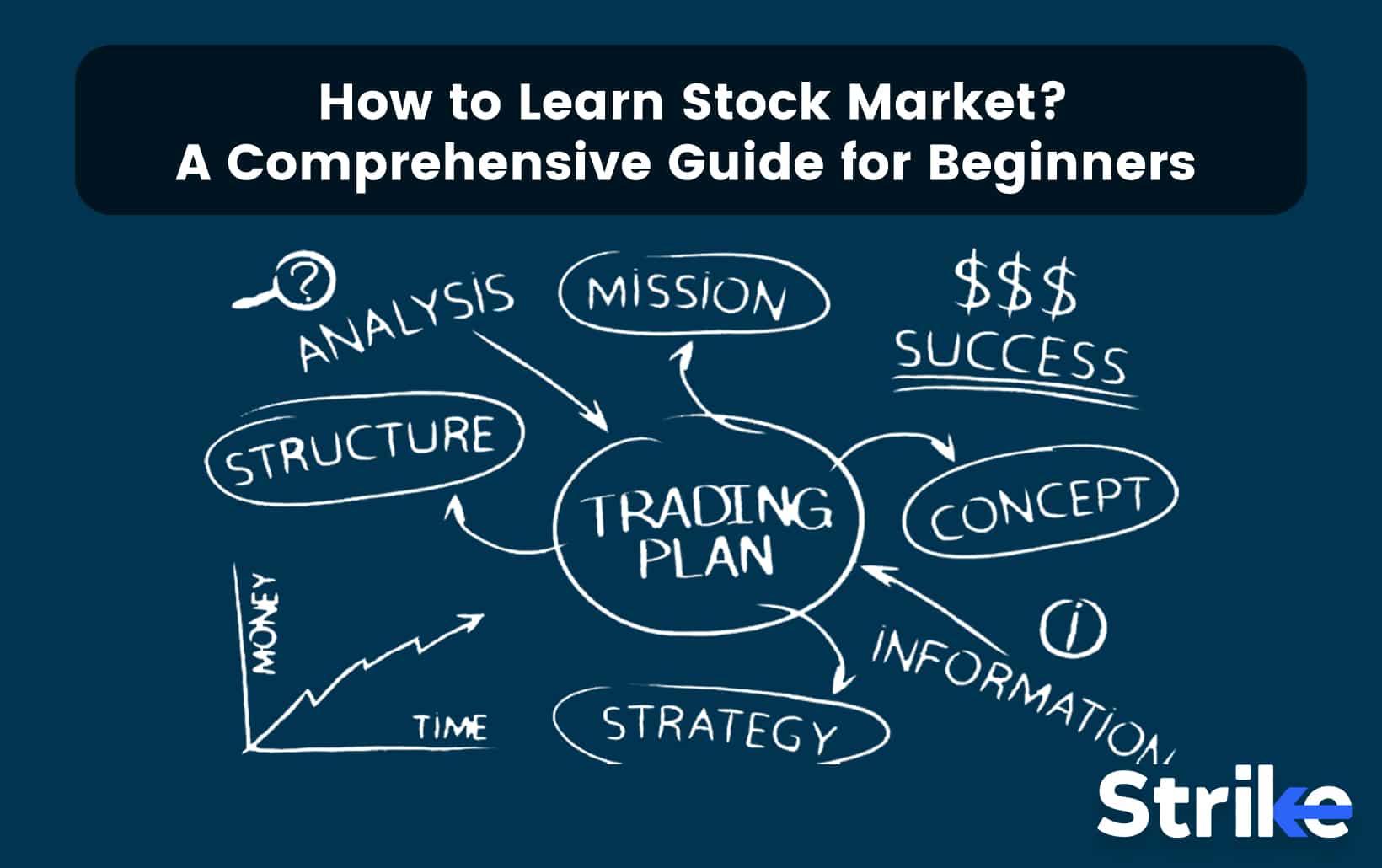
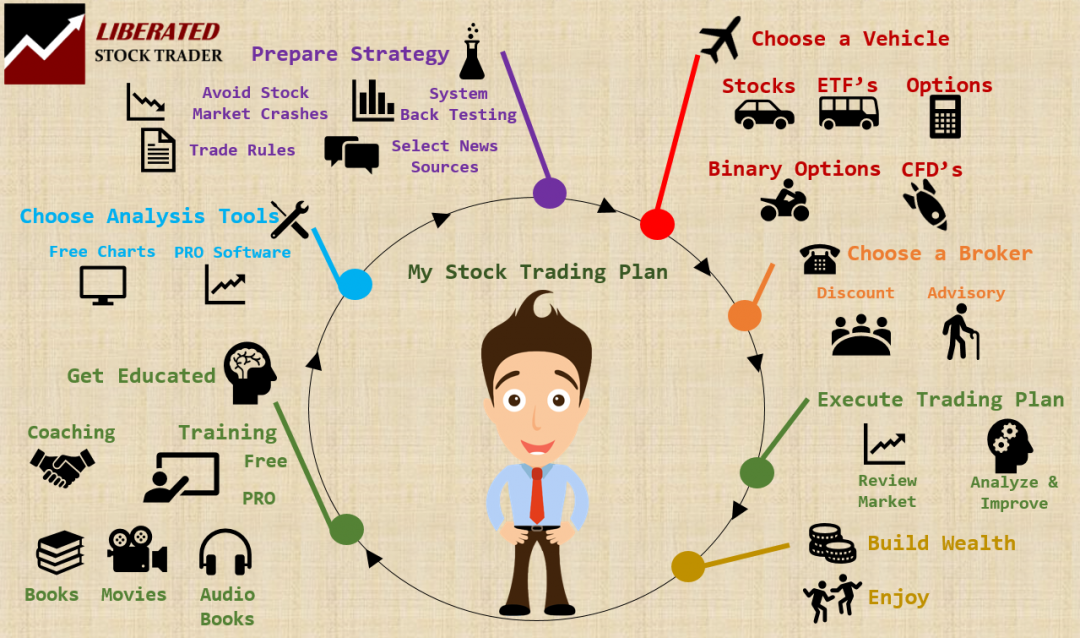
Absolutely! To enhance your understanding of successful trading, here are some insightful infographics and visual resources that complement the key principles we’ve discussed:
1. Steps to Start Trading Stocks
This infographic from Investopedia outlines a six-step process to begin trading stocks, covering essential aspects like choosing a trading style, selecting a brokerage, and understanding risk management. Investopedia+1Investopedia+1
2. Trading Psychology
Understanding the psychological aspects of trading is crucial. This infographic delves into how emotions like pride, hope, greed, and fear can impact investment decisions. Investor’s Business Daily
3. Risk Management Techniques
Effective risk management is key to successful trading. This resource discusses strategies like setting stop-loss orders, adhering to the one-percent rule, and diversifying investments to mitigate potential losses. Investopedia
4. 40 Key Stock Trading Terms
Familiarizing yourself with trading terminology is essential. This infographic provides definitions for 40 important stock trading terms, serving as a handy reference for beginners. Pinterest+1StocksToTrade+1
5. Cognitive Biases Affecting Traders
Being aware of cognitive biases can help in making more rational trading decisions. This infographic highlights common biases that can negatively influence trading outcomes. StocksToTrade
6. Beginner’s Guide to the Stock Market
For a comprehensive overview, this guide offers insights into how the stock market works, providing a solid foundation for new investors.
These resources offer valuable visual insights into various aspects of trading, from foundational steps to psychological considerations and risk management. Let me know if you need further information or assistance on any specific topic!
Sources